
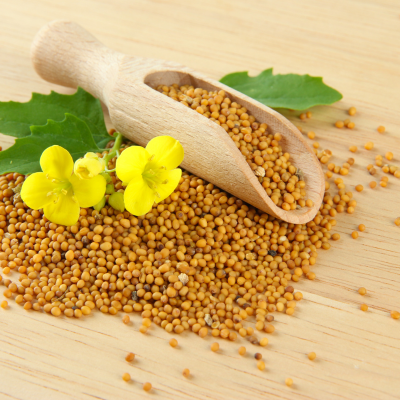
Description
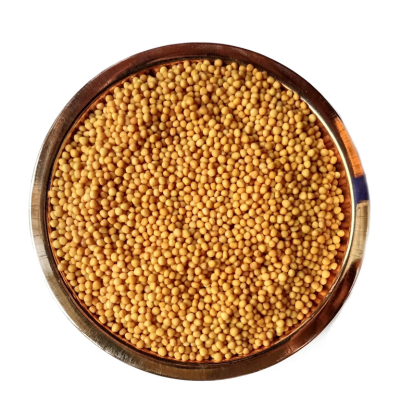
🌾 Yellow Mustard Seeds
1. Introduction
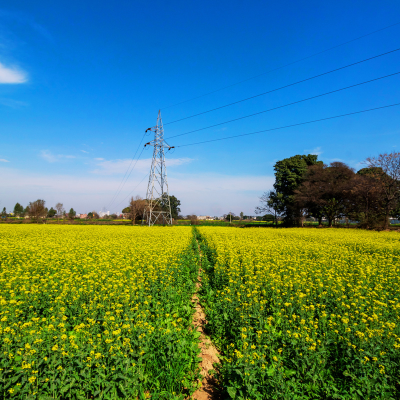
Yellow mustard seeds are the small, round seeds obtained from the Sinapis alba plant, a member of the Brassicaceae (mustard) family. They are known for their mild, tangy flavor and characteristic pungency developed upon crushing or mixing with water. Yellow mustard seeds are widely used in the food industry for seasoning, condiment preparation (mustard paste, sauces), pickling, and oil extraction. They also have applications in pharmaceuticals and cosmetics due to their bioactive compounds and essential oils.
2. Processing of Hulled Sesame Seeds
Step-by-Step Process:
Cleaning:
Raw mustard seeds are cleaned using sieves, aspirators, and destoners to remove dust, stones, straw, and other foreign materials.
Conditioning:
Seeds are conditioned by adjusting temperature and moisture levels to prepare them for dehulling or oil extraction.
Dehulling (Optional):
In some cases, the thin outer seed coat is removed using mechanical hullers to improve the oil’s clarity and flavor.
Crushing / Grinding:
Seeds are crushed or ground to form mustard powder or paste. This releases the enzyme myrosinase, which reacts with glucosinolates to produce the characteristic mustard pungency.
Oil Extraction:
Cleaned or dehulled seeds are cold-pressed or solvent-extracted to obtain mustard oil. The oil cake (residue) is used as animal feed or fertilizer.
Drying:
Powdered or crushed mustard is dried to a specific moisture content (5–7%) to enhance shelf life and prevent mold growth.
Packaging:
Final products (whole seeds, powder, or oil) are packed in moisture-proof PP or laminated paper bags (25–50 kg) or smaller consumer packs for retail and export markets.
3. Physical Characteristics
Parameter Specification Color Light yellow to pale golden Purity 99.95% minimum Moisture 5–7% max Oil Content 30–36% Free Fatty Acid (FFA) 1.5% max Admixture 0.05% max Odor Characteristic sharp mustard aroma Taste Pungent, slightly bitter, tangy Shelf Life 12 months (when stored in cool, dry place)
4. Nutritional Value (per 100g)
Nutrient Amount Energy ~508 kcal Protein 26 g Fat 36 g Carbohydrates 28 g Fiber 12 g Calcium 266 mg Iron 9 mg Magnesium 370 mg Phosphorus 830 mg Zinc 6 mg Vitamin B1 (Thiamine) 0.8 mg Vitamin E 5 mg
➡️ Health Benefits:
-
Promotes digestion and metabolism through natural enzymes.
-
Rich in omega-3 fatty acids, supporting heart health.
-
Contains antioxidants and glucosinolates with anti-inflammatory properties.
-
May aid in respiratory relief and detoxification.
-
Used topically for muscle pain relief and skin health.
-
Gluten-free and suitable for vegan diets.
5. Applications
Industry Uses Food & Condiments Mustard sauces, dressings, pickles, seasoning powders Bakery & Snacks Flavoring for crackers, pretzels, and marinades Oil Extraction Produces pungent, aromatic mustard oil for cooking and massage Pharmaceuticals Used in plasters, balms, and digestive formulations Cosmetics Incorporated in hair oils, creams, and body massage products
Reviews
There are no reviews yet.